lake luxembourg…ice…rain…fog

This February day was unusually warm and rainy but ice still covered our Lake Luxembourg. The ice cooled the air near the lake surface and the rain that was falling through the cold air formed a visually stunning fog. The view of the lake and trees veiled by the fog was so beautiful that despite the rain I could not force myself to leave the scene.  All in all,  keeping the camera in one hand and an umbrella in the other I took over 300 shots. Definitely more than I can consume. So here is just a minor part of them. The rest eventually will go to the unused images heaven during the next hard drive cleaning. Well, it’s life.

Farewell self-portrait with the lake in the background.

canada geese...first snow

The Canada Goose is an amazing bird in many ways. It is a bird of high moral standards. They have a support system with siblings and respect parents.  A Canada goose mates for life with only one goose, if there is no mate, there is no sex. It may be not the most abundant bird species here in the Bucks County but definitely the most commonly-seen one as they are non-migratory birds - huge flocks of them cross the sky

or feed in fields

in any season.

They look as joyous and enthusiastic in the field covered with the first snow as in a warm summer day

Looking at them I frequently wondered what kind of the evolutionary process instigated the move from migratory behavior of a regular goose to the non-migratory one. As I found out to my surprise, this move had nothing to do with an evolution - the switch from migratory to non-migratory behavior was totally man-made and it happened in the lifespan of one generation: 'By the early 1960’s, the excessive hunting brought the population of Canada geese to near extinction. To counter this near extinction, the US Fish and Wildlife Service and many State wildlife agencies began a program of re-population of wild Canada geese. They did this by taking the eggs from the nests of the surviving resident Canada geese and artificially incubated these eggs. As a consequence, these geese were not taught the migration patterns and their descendants do not have the biological need to migrate.'

These geese have benefited from the agricultural practices that leave waste grain behind for winter foraging, thereby giving us great winter photo opportunities.

the day the moon blocked the sun...partially

Eclipse-shmeclipse. For the li'l old Newtown it was just another midday at the office. And quite a humid midday, really hot on the sunny side of deserted trafficless streets.  

Only a couple of single enthusiasts and several small groups with kids waited for the beginning of the show at the shore of Lake Luxembourg.

The show started on time. Unfortunately, because of the cloudy sky, it started behind the curtains. The viewers waited patiently for occasional glimpses of the Sun.

And their patience was rewarded with this amazing view.

tyler park...nostalgic party

The park main attraction is the Neshaminy Creek. Local families stroll along its idyllic shores and explore numerous ways to practice patience, such as throwing pebbles into the water, pretending fishing, or walking their dogs.

But to every rule there is an exception - and there are daring people ready to demonstrate it. Just the other day I came across such amazing bunch of good sports - a group of parents and their kids that occupied shores of a small branch of the Creek with a bridge over it. Apparently parents were nostalgic about good old times when creeks were clean and the living was easy. So, they encouraged the kids to jump off the bridge into the shallow water and captured these priceless family moments with their iPhones and tablets. 

The parents, kids, and innocent bystanders - they all seemed to be having a lot of fun. 

Well, no fun can last forever. A cop came and spoiled the party.

Tired but satisfied, the party left the scene of their glory.

oh shenandoah...skyline drive...november

'Oh Shenandoah, I love your daughter, away, you rolling river '. In my memory, I can still hear the deep powerful voice of Paul Robeson coming from the trumpet horn of a wind-up gramophone. I was probably five years old, the place was the post-WWII Odessa, Stalin was still alive and worshiped, and the anti-American campaign, namely, the Cold War, was in high gear. The warfare was utterly schizophrenic as well as the Soviet world around me - American spies and their helpmates were around every corner, however, trucks on the streets were mostly American-made lend-lease trucks; I was dressed in a colorful American jacket from a Joint humanitarian parcel, my only jacket that I was ashamed to wear; my Dad shaved himself with Gillette razor blades; 'Tom Sawyer' was the first English book I read, and Paul Robeson was my favorite singer. His pure Americana records were freely distributed in the anti-American Russia of that time as he was on the right side of the barricades - he was a card-carrying Communist and Stalinist and was even awarded the Stalin Peace Prize in 1952. Go figure!

I completely forgot all this along with a lot of other things in my life and it floated up in memory just recently while reviewing my Shenandoah National Park images. The funny part, by the way, is that I had perceived the Shenandoah lyrics incorrectly as a rhetoric expression of 'a daughter of the place/river'. Actually, the river mentioned in the song was Missouri and Shenandoah was a real person, an Indian chief. The Shenandoah valley and the river there was named after this chief by George Washington in recognition of the chief's support of the Americans during the Revolutionary War.

Anyway, it was my first visit to any National park, not counting the Valley Forge, I had great expectations regarding potential photo opportunities, took a lot of heavy lenses and a solid tripod to cover two days of shooting while the rest of the group would bike along the scenic Skyline Drive. It never happened, it was so cold and windy outside that I did not even touch the damned tripod and made all my shooting handheld from the numerous overlooks leaving my car for not more than five minutes in a row. On the bright side, despite the uncooperative weather the light was amazing, constantly moving shadows from the clouds over the hills created spellbinding landscapes.

We entered the park through the Front Royal entrance, drove to the Skyland Resort and left the park via the Thornton Gap entrance the next day.

view from an overlook #1

view from an overlook #2

view from an overlook #3

view from an overlook #4

view from an overlook #5

view from an overlook #6

On our way back we visited the Luray Caverns  (not impressed) and a small nice Car and Carriage Caravan museum.

outstanding display of vintage vehicles

bye-bye shenandoa

shore...autumn...colors

It's an unusually warm October at the Shore.

let's have fun

self portrait

formal environmental portrait of a local seagull

sand ripples

tango

view from the top of the food chain

view from the bottom of the food chain

winter ...lake ...lightness of being

One has to be crazy to do any kind of photography nowadays. The latest estimates of photos taken annually in the United States range between one and ten trillion.

On the other hand 

'Everything has been said before. But since nobody listens we have to keep going back and beginning all over again.' 

This remark was true in 1892 and it is still true.

So here am I beginning all over again.

lightness of being

lake

winter

winter dreams come true

On the bright side - we haven't had an earthquake lately.

Our garden table is strategically located in a secluded corner and is a perfect meteorological snow board.

blizzard 2016

quiet night

24 inches of pure joy


shore...winter...fog

It's a snow-less January at the Shore. Beautiful in any weather.

ocean

duo in the fog

staying strong

tripod

chat

boardwalk

bracing for better times

what now?

size matters...kind of

On the opposite ends of my current photo gear spectrum are a 50 years old view camera with a custom digital back and a modern compact mirrorless camera. Looking at their group portrait you might be able to notice some difference in their sizes.

50 years old 4x5 Sinar P (the digital back is not shown) with 100 years old Wollensak lens vs modern Fuji X100s. It looks like Fuji is smaller than the front of the old timer lens.


When I added the X100s to my stable it was considered 'the new Leica' by many great shooters. And who was I to argue with them? It's small, weighs less than a pound, ready to shoot instantaneously and, being in right hands, is able to produce outstanding images. 

On the other hand don't even start asking me why I decided to shoot with such relic as Sinar P. I cannot provide you with a rational answer.  The system weighs about 20 lb and it takes several hours to assemble the camera and set the scene.  But it feels so good to operate its controls and look through its ground glass.

Apparently having both in my possession I was curious to find out who will win in their 'Whale vs Elephant' or rather 'David vs Goliath' face-off.  It's almost impossible to predict the outcome of such contest in advance by comparing their systems' specifications. There are two many parameters involved and none of them is the defining factor. Even the camera effective pixels count, the staple of all  advertising campaigns, is totally misleading.

So I concluded that the best way to satisfy my curiosity once and for all will be to shoot the same scene with two competitors, make a decent size prints of both images, and compare them. At that point my intention was not to perform a standard 'pixel-peeping' comparison but somewhat to compare images of the same scene on their artistic merits. 

Without further ado I cut a nice iris flower in our garden, put it in a matching blue vase and start to shoot a scene where the flower was the point of interest. Immediately  after the first shots a strange thing happened - I realized that something was wrong with the original idea: the camera choices forced me to set the scene differently to use the cameras at their best.

Right out of the camera images generated  by the 'old timer' had a delicate painterly Pictorialist look with a muted color gamut. They just begged to add more details to the background to make the image compositionally balanced.

Its rival images with their bright colors and highly defined details looked like Deco-inspired ones. The point of interest in these images grabs the viewers attention so strongly that they looked better against a plain monotone color background.

So I finally gave up on the idea to compare the images of an identical scene and ended up with comparing images with an identical point of interest - the iris flower in a blue vase.

And here are the finalists:


Irises,  Sinar/Wollensac system

Iris in a Blue Vase, Fuji X100s

Time for a poll. Please do not read further until you vote.


You made your choice. Good job! Now, here is my story. I hesitated to prefer one to another while looking at them side-by-side on my monitor screen. However, in the 16" by 20" prints competition I gravitated toward recognizing the painterly Sinar image as the winner. A quick poll among my guests also demonstrated that it was a choice of 9 out of 10 participants.

Does this outcome indicates that one system performs better than another? I am not sure.

Despite of the facts that:

a) an image generated by Sinar system contains 20 times more pixels as one generated by the Fuji camera,

b) each Sinar system photosite area is four times larger than Fuji photosite area,

c) Sinar lens area is 7 times larger than Fuji one

both images when displayed on a 24" monitor screen or viewed as 16"x20" prints visually contain similar amount of details. 

It well might be that the reason of such preference is mainly psychological and has something to do with how a modern person of Western culture perceives images.  Due to enormous differences in lens/sensor sizes the Sinar images have much smoother tonal transitions. Also the hundred years old lens causes more image imperfections than the modern Fuji lens. IMHO both factors influence the viewers perception of Sinar images such that they are rated as more pleasing and artistically significant than Fuji ones.

In conclusion, my feeling is that size of a camera matters...kind of.

Does it mean that from now on I will use Sinar as my walk around camera? Not until I get my personal Sherpa. 


Postscript for technically inclined visitors


The Pictorialist image notes:

Camera used -  Sinar P 4x5 system

Lens - Wollensak Velostigmat Series II 12", lens diameter - 52 mm (The Series II Velostigmat 12in f/4.5 sold new in 1922 for $146.50. In 2015 dollars that’s $2,046.83; similar to what one pays for a Nikon or Canon professional lens.) 

Custom scanning digital back - based on Nikon D700 full frame body

Assembled system weight - around 19 lb

Due to digital back design limitations the actual 'sensor' size was approximately 3.5"x2.8" (6320 sq mm); it is smaller than the camera 4"x5" ground glass size, but it still has more than twice the area of a medium format image and 20 times larger than the Fuji sensor area (312 sq mm when cropped to fit 4:5 proportions).

Number of recorded pixels - approximately 260 MP

Sensor photosite (pixel) size - 8.45 microns


The Deco image notes:

Camera used -  Fuji X100s

Lens - Fujinon 23 mm f/2, lens diameter - 20 mm

Assembled system weight - 0.98 lb

Number of recorded pixels -  13 MP (when original sensor size is cropped to fit 4:5 proportions).

Sensor photosite (pixel) size -  4.8 microns


newtown athletic club summer soiree

There is something miraculous about Newtown, a borough in Eastern PA with population slightly over 2,000. It's home to the nation's oldest movie theater; one of the oldest libraries  in the state works there without interruptions since 1760; George Washington marched his army from Newtown headquarter to defeat the British at Battle of Trenton; the famed primitive painter, Edward Hicks lived and preached there; more recently, aliens visited it, and a popular movie was made about it; the borough even was a scene of an international crime - a billion dollars Russian mafia money laundering was operated from headquarters in Newtown. The list is going on and on. 

So it's no wonder that the borough also became a home to the Newtown Athletic Club (NAC) - the third largest single-site workout facility in the USA with world class outdoor resort style aquatic complex. In the best tradition of the Newtown uniqueness  the NAC is very different from a regular fitness facility - with its state of  the art indoor and outdoor amenities located on 22 acres, bar and restaurant it can best be described as a lifestyle club - a 'golf club without golf'.  Among other things the NAC is famed for its hospitable crowded evening parties thrown at its exquisite pool complex. Take a glimpse at the latest party for NAC Advocates that celebrated the opening of the resort pool complex for the 2015 season.

The party is about to begin

 At the “Breaking Boundaries” display; Jim Worthington (right), the co-owner and president of NAC - the man behind the project

Pre party workout

Warming up

Great seeing you here, coach Leyla Ghazzouli with students

Selfie

It's not Caribbean - it's Newtown! 

 Campfire at the pool

Warm and cozy

Wine or beer? Both are good for your health according to the Harvard School of Public Health

Amazing blue night

We'll be back - NAC Advocates

Ready for tomorrow

day at the grounds for sculpture - part 2

the commoners

After numerous visits to the garden it seems to me that garden dwellers fall into one of three categories: "photo-opportunists", "molbertists", and "french-foodies".

The most common type, photo-opportunists, are ladies and gentlemen armed with all kind of cameras from smart phones to professional monsters. You can come across them practically anywhere.

Molbertists, artistically inclined ladies accompanied by their easels, are shy species that mostly meditate near scenic reflecting surfaces of water, one can observe them if approaches very cautiously.

French-foodies personify human beings attracted by French cuisine. They are abundant in the vicinity of the Zagat-rated Rat's restaurant featuring country French cuisine. 

A lot of times strategically placed life-size people-look-alike sculptures confuse the Grounds for Sculpture visitors. The following images I posted here as a public service will allow you to identify at least most of the real persons you will meet in the garden and to avoid the confusion.

A young molbertist unaware of the time travelers presence

Is she real? A khaki-hatted molbertist observing a sculpture, a red-hatted molbertist is hiding behind trees

A red-hatted molbertist

A molbertist in her natural habitat

French-foodies feeding ground

Lunching the French way

Prepared for any opportunity

The best camera is the one you use

There should be the giant lady somewhere around

day at the grounds for sculpture - part 1

the mighty men

'...Those were the mighty men who were of old, men of renown.' 
Genesis 6:4


Grounds For Sculpture is a public garden  of contemporary outdoor sculptures  situated on the forty two exquisitely landscaped acres. It was founded in 1992 by a widely recognized American sculptor, John Seward Johnson. At the time of my visit the garden featured a lifetime collection of Johnson's works - 'Seward Johnson: The Retrospective'.

Johnson is best known for his painted bronze statues some of them of monumental proportions. In many cases the statues look like 3-dimensional imitations of the iconic 2-dimensional images.  Johnson's implementation of this postmodern style is highly artistic. However, it moves classically trained viewers out of their comfort zone; it was labeled an "Americana kitsch" by art purists but was a success with audiences. 

The funny thing is that the Western sculpting tradition was strongly  influenced by Greek Classical and Hellenistic statues and their Roman copies. These statues unearthed during Renaissance period showed the bare surface of the material of which they were made. Since then the bare surface was considered the hallmark of artistic sculptures. Ironically, it was discovered recently that original Greek statues were brightly painted, but after thousands of years, those paints have worn away. In light of this discovery, the Johnson's works look purely traditionalistic in the true sense of the word. 


"A Turn of the Century" (Inspired by Renoir's "Dance at Bougival")

"King Lear"

"Unconditional Surrender" (Inspired by two iconic photographs  'V–J day in Times Square' )

"Confrontational Vulnerability" (Inspired by Manet's 'Olympia')

 "Forever Marilyn" (Inspired by a scene from the movie 'The Seven Year Itch')

day at the penn museum

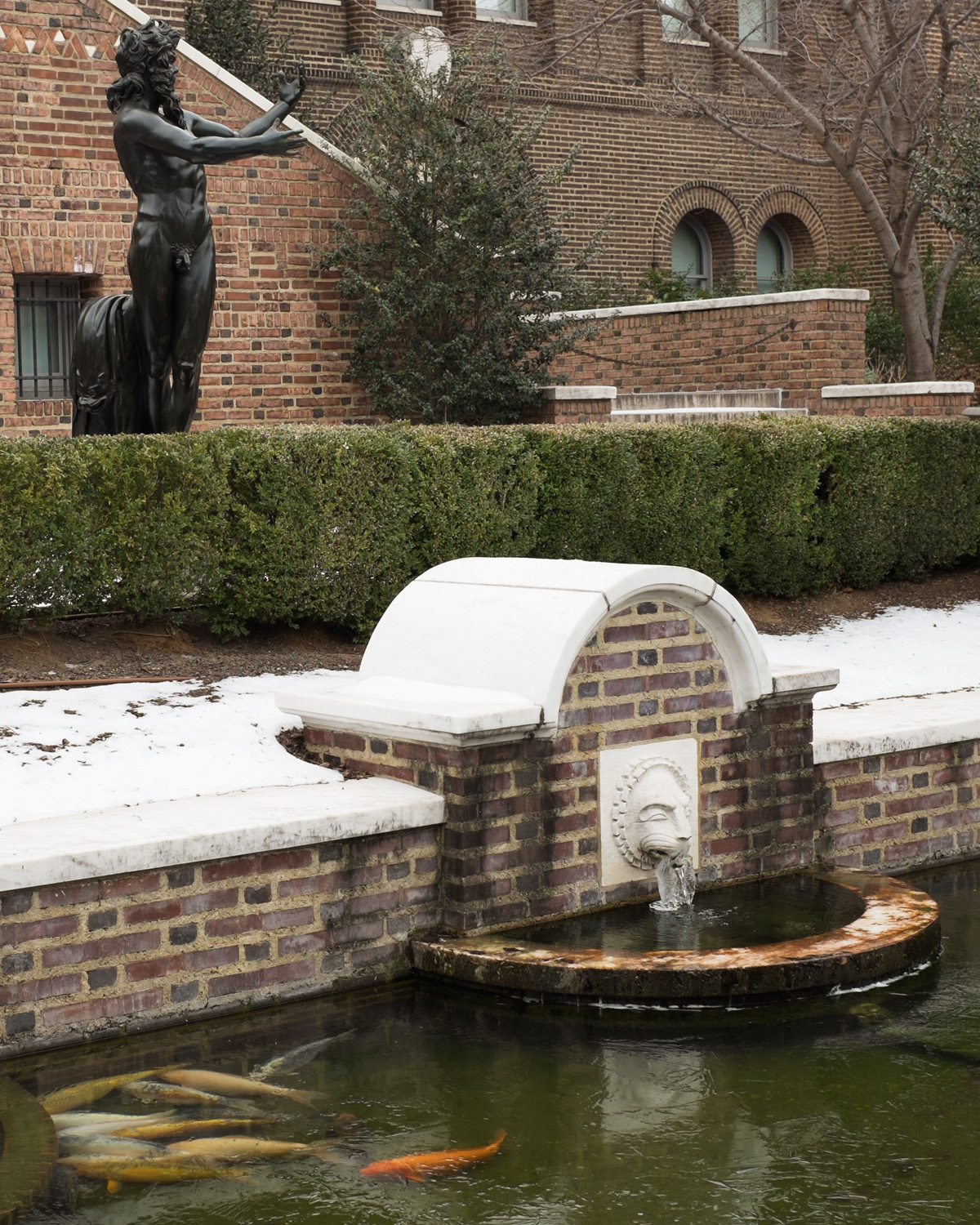
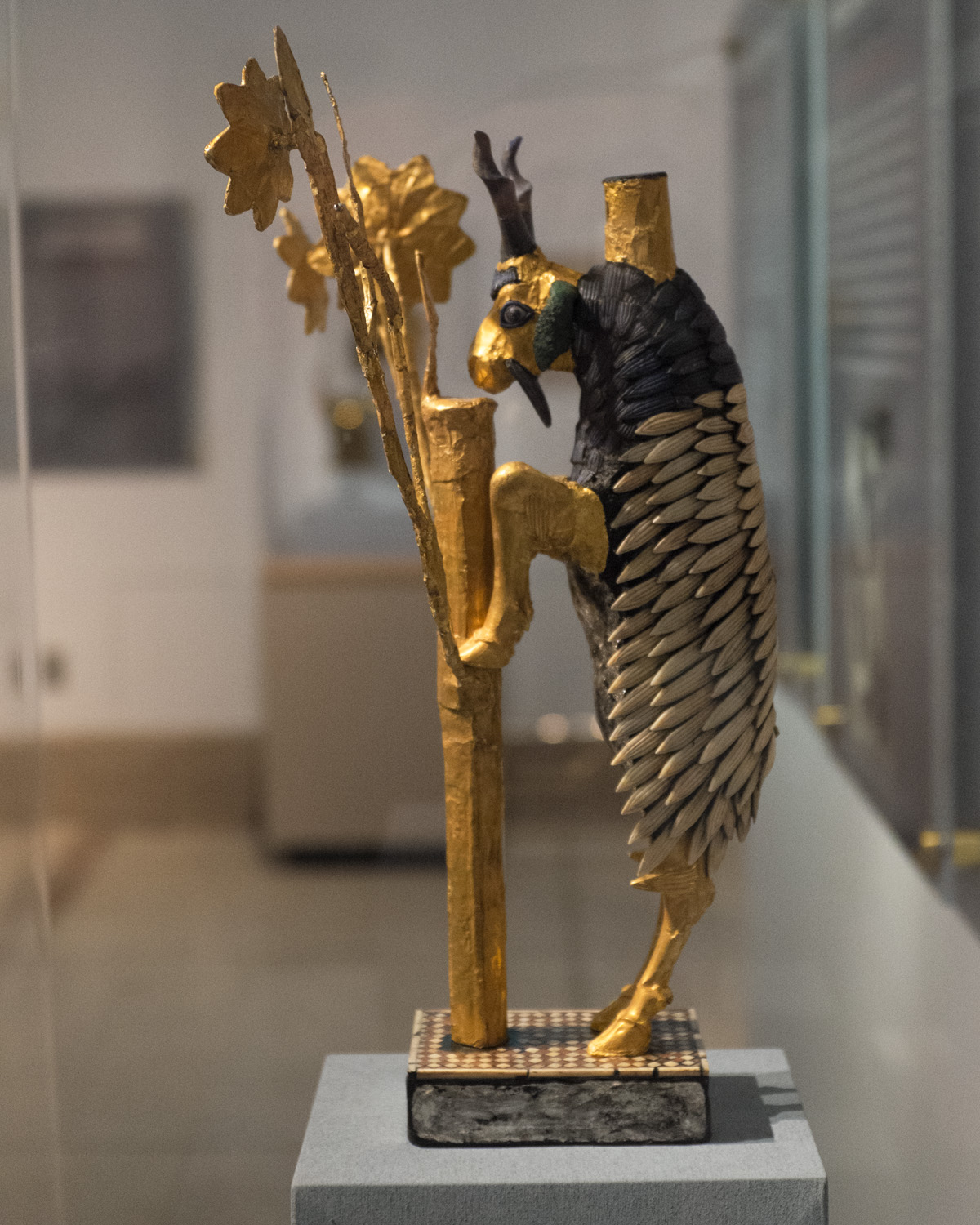
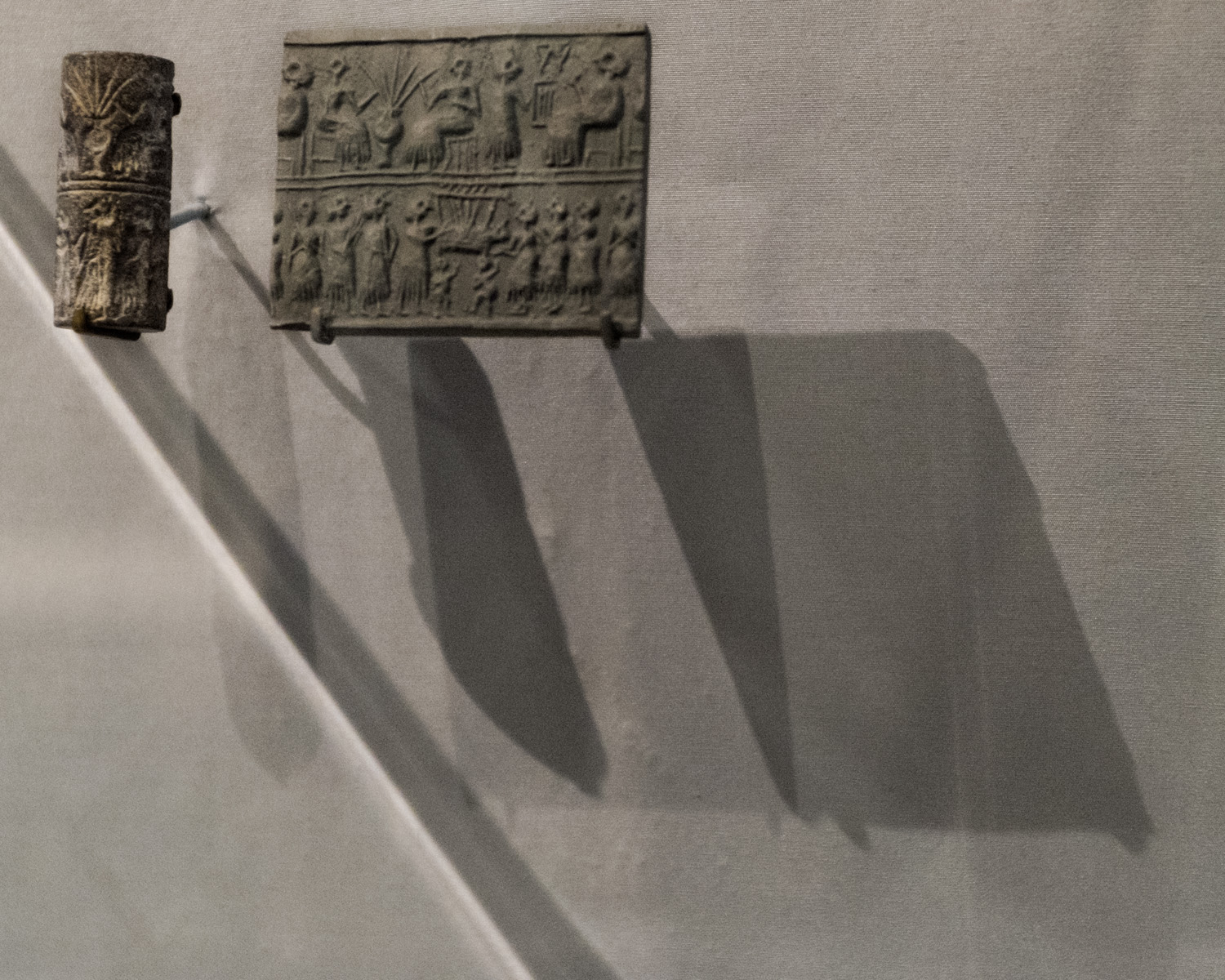
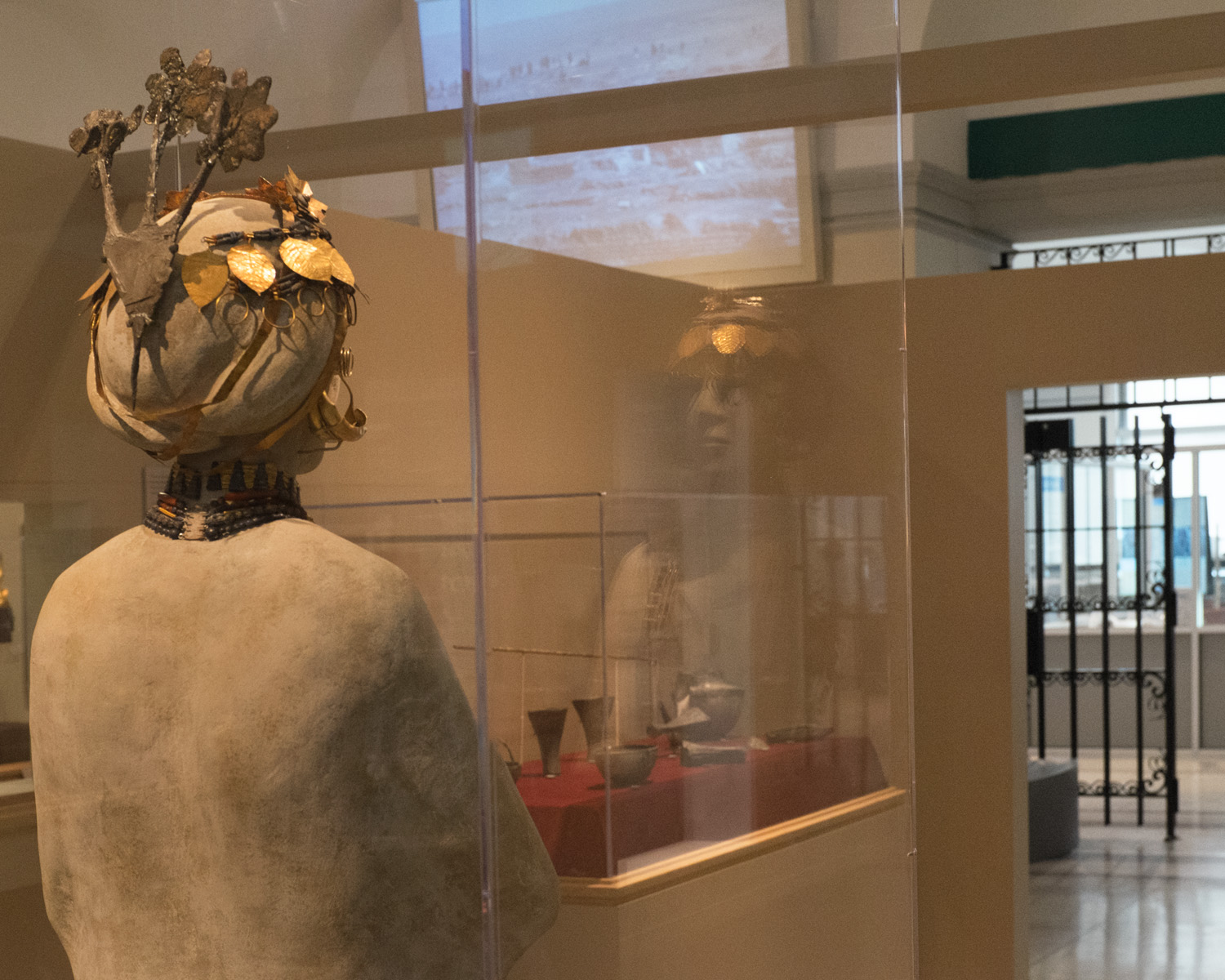
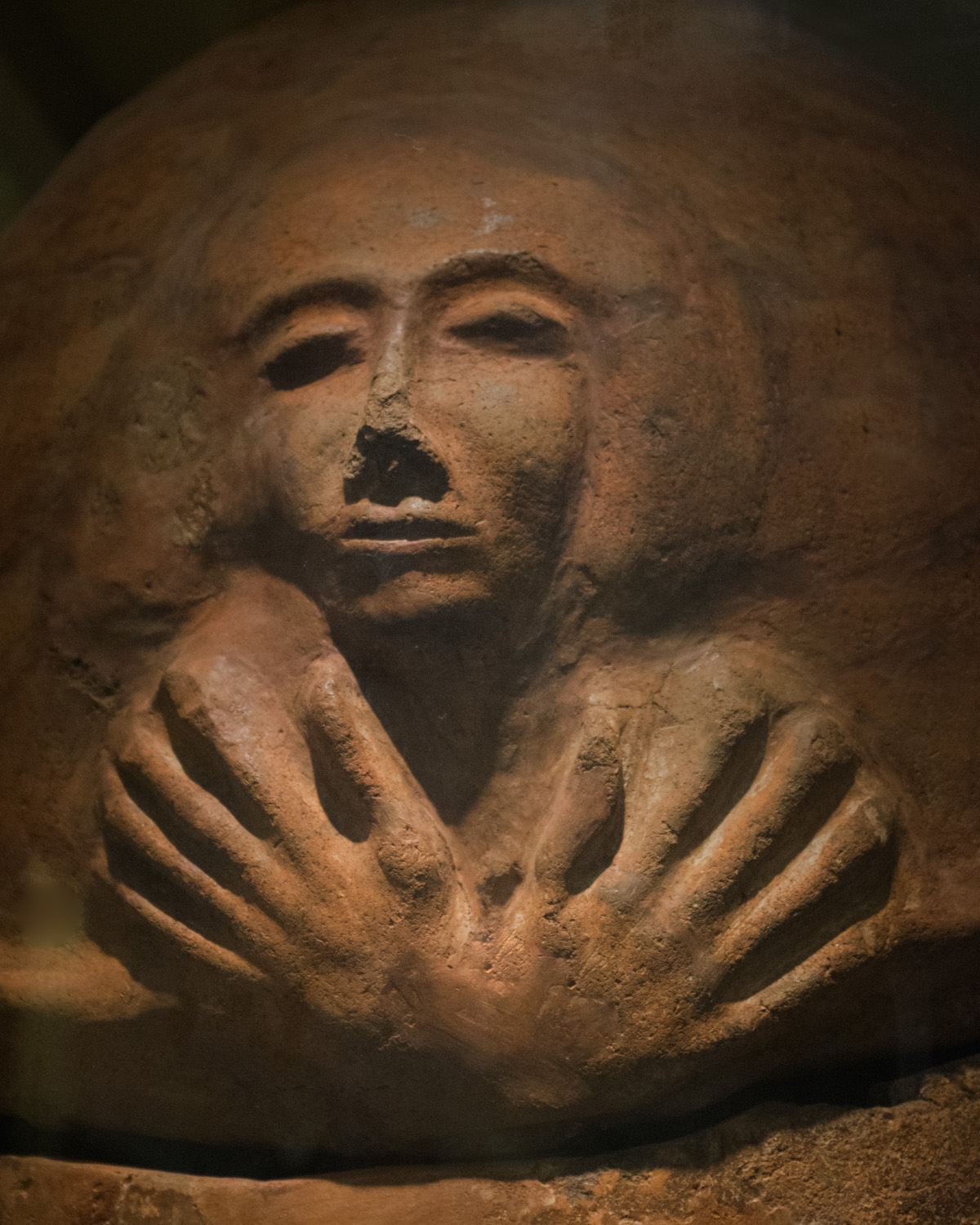
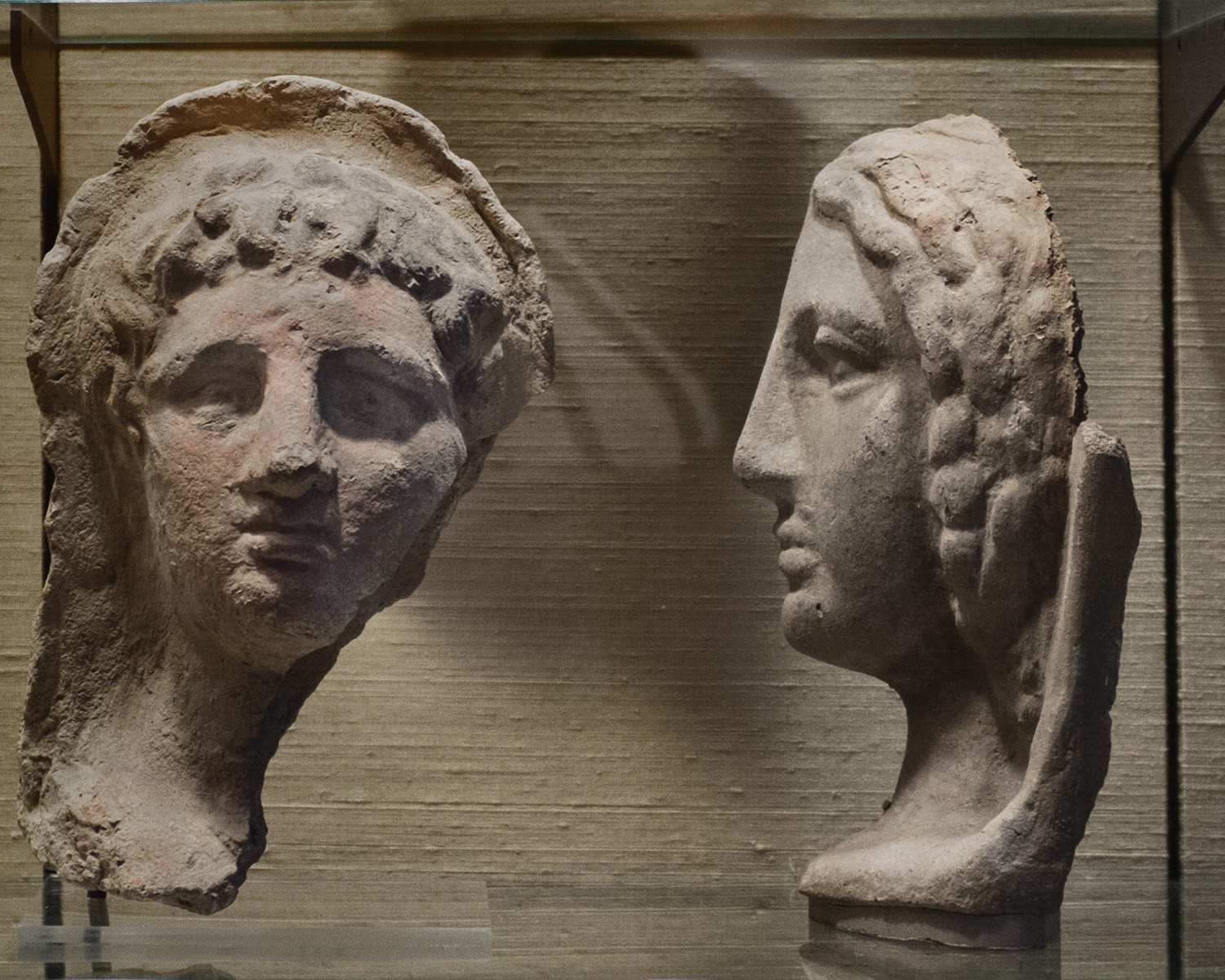
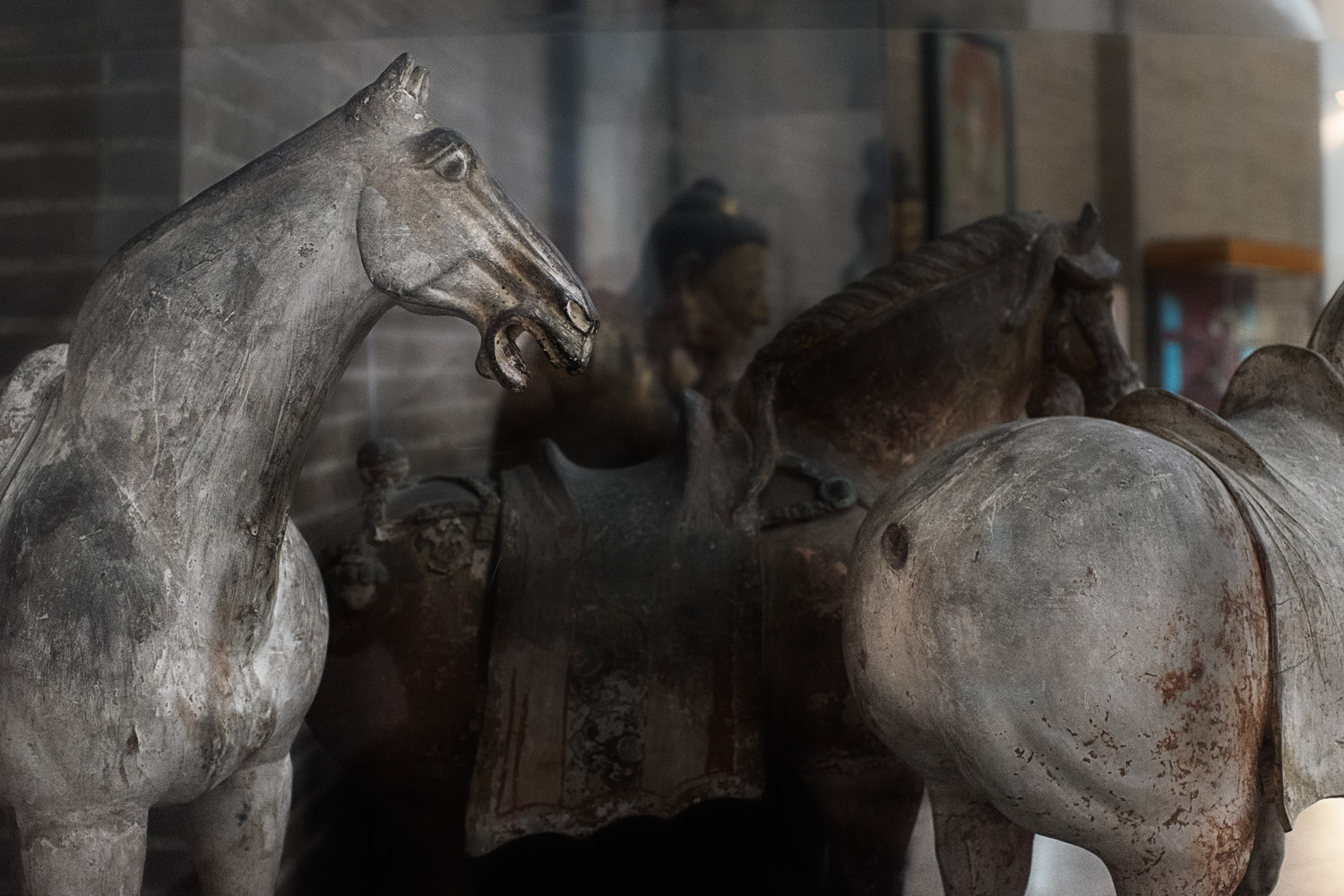
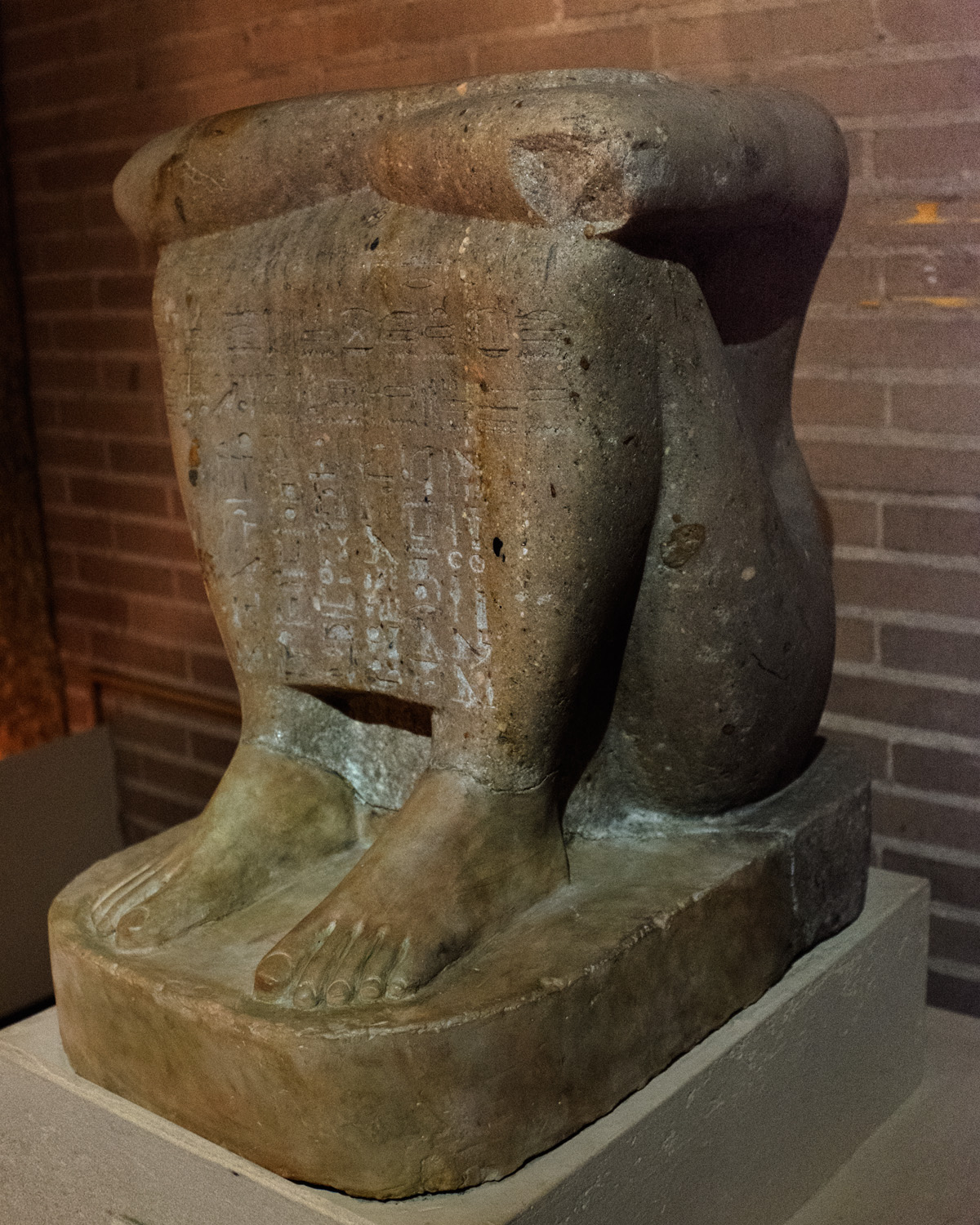
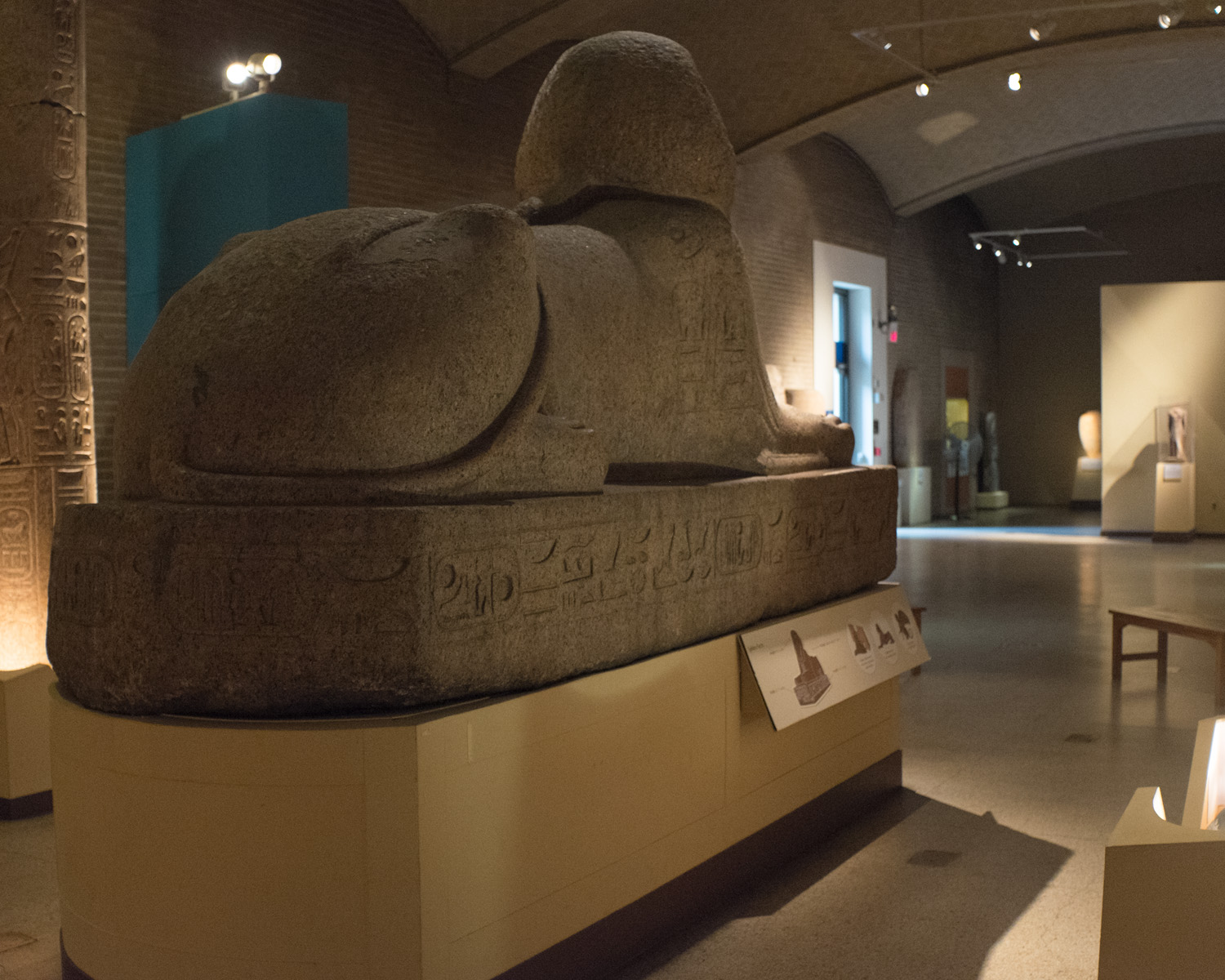
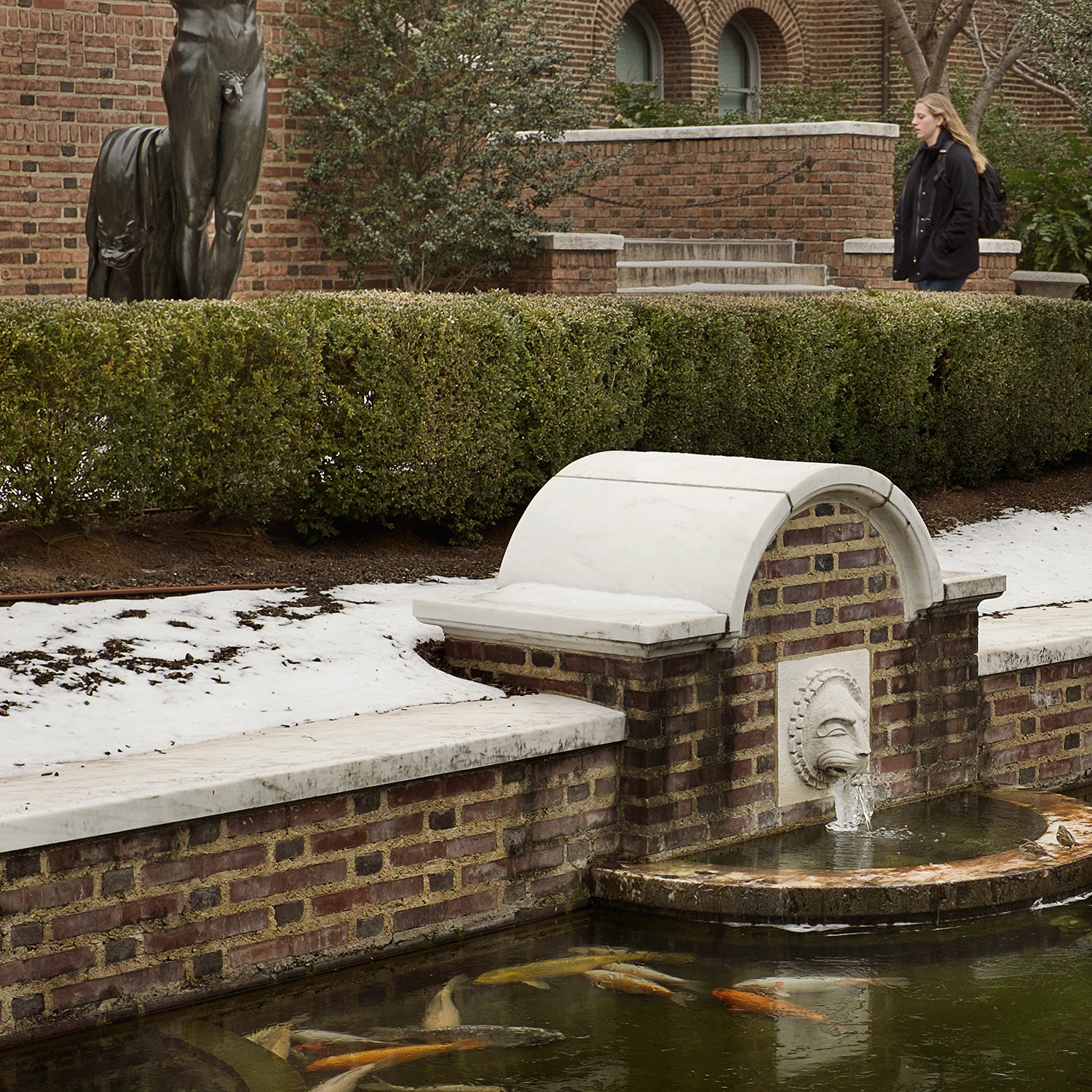
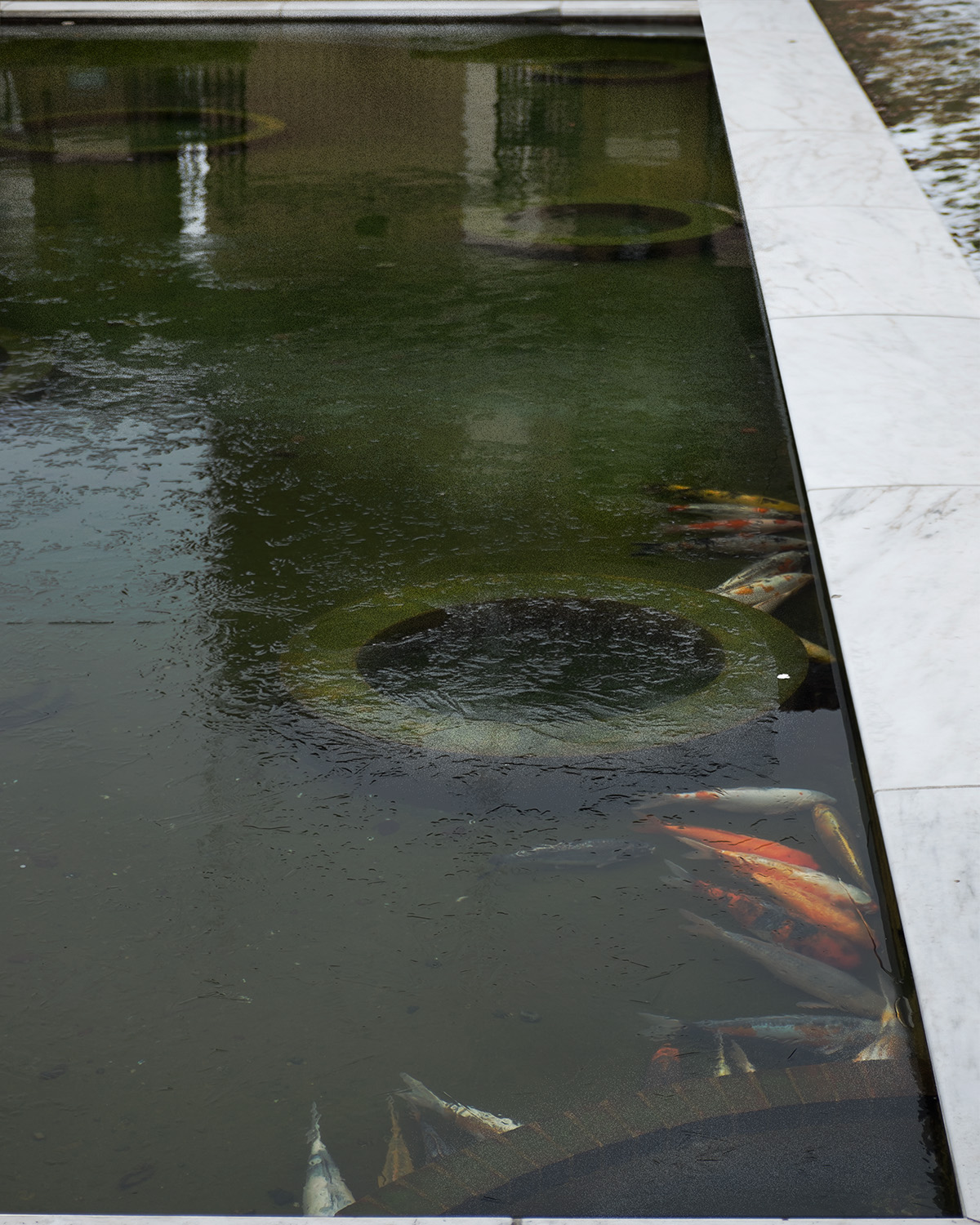
It so happened that I had to visit the UPENN campus a lot in the past year and every visit the path led me past the very intriguing cluster of buildings - an eclectic mixture of architectural styles of several centuries. This landmark is a natural match to its content - the collections of University of Pennsylvania Museum of Archaeology and Anthropology aka Free Museum of Science & Art. One gloomy January day I could not resist my curiosity any more and stopped by to explore the museum. Actually I spent there a good part of the day and put in half of this time outside shooting the icy Koi-pool. Some things that caught my eye are posted here. Observations will follow in another post.